
Powering Your Dream Kitchen: A Guide to Electrical Planning for Your Remodel
A kitchen remodel is one of the most exciting projects a homeowner can undertake. It’s a chance to create a space that’s not just beautiful, but perfectly tailored to your family’s lifestyle. Amidst the thrill of choosing cabinets, countertops, and appliances, however, there’s a critical element that’s often overlooked until it’s too late: the electrical plan. Proper electrical planning is the invisible foundation of a modern, functional, and safe kitchen. Here at Kleinholz Electric Inc., we’ve helped countless homeowners in the Lawrenceburg area ensure their new kitchen is as powerful as it is beautiful. This guide will walk you through the key electrical considerations to ensure your renovation is a complete success from day one.
1. Start with a Strong Foundation: Circuits and Capacity
Today’s kitchens work harder than ever before. High-powered appliances like induction cooktops, double ovens, and high-speed microwaves all draw a significant amount of electricity. An older home’s electrical system, designed for a simple refrigerator and stove, often can't handle these modern demands. This can lead to frustrating issues like a tripped breaker every time you use the toaster and the coffee maker simultaneously.
That's why the first step in any kitchen remodel is assessing your home's electrical capacity. Here’s what a professional electrician will consider:
- Dedicated Circuits: Modern safety codes require major appliances—such as the refrigerator, dishwasher, garbage disposal, oven, and built-in microwave—to have their own dedicated circuits. This prevents overloads and ensures each appliance gets the stable power it needs to run efficiently.
- Small Appliance Circuits: You'll also need at least two 20-amp circuits dedicated to countertop outlets for your small appliances.
- Panel Assessment: We’ll check your main breaker box to see if it can support the new load. If your panel is outdated or at capacity, a service upgrade may be necessary. While this can be an unexpected cost, it’s a crucial investment in your home's safety and functionality, preventing future wiring issues and ensuring your system is up to snuff.

2. Smart Placement: Outlets Where You Need Them
Nothing disrupts the flow of a beautiful new kitchen more than having to unplug one appliance to use another or stretching cords dangerously across countertops. Thoughtful outlet placement is key to a truly functional design.
- Countertop Convenience: Plan for more outlets than you think you need along the backsplash. A good rule is to have an outlet every four feet so you’re never far from a power source.
- The Kitchen Island: An island is a hub of activity and a prime spot for power. Adding an outlet here is perfect for stand mixers, laptops, or charging phones. We can help ensure it’s installed safely and discreetly.
- Safety First with GFCI: Any outlet within six feet of a sink must be a Ground Fault Circuit Interrupter (GFCI) outlet. These life-saving devices quickly shut off power if they detect an imbalance, protecting you from electrical shock.
- Appliance Garages & Pantries: Consider adding outlets inside a pantry or a designated “appliance garage” to keep devices like coffee makers and toasters hidden but ready for use.
Thinking through how you’ll use the space will prevent future frustrations and make your daily routine smoother. This is a core part of our residential electrical services.
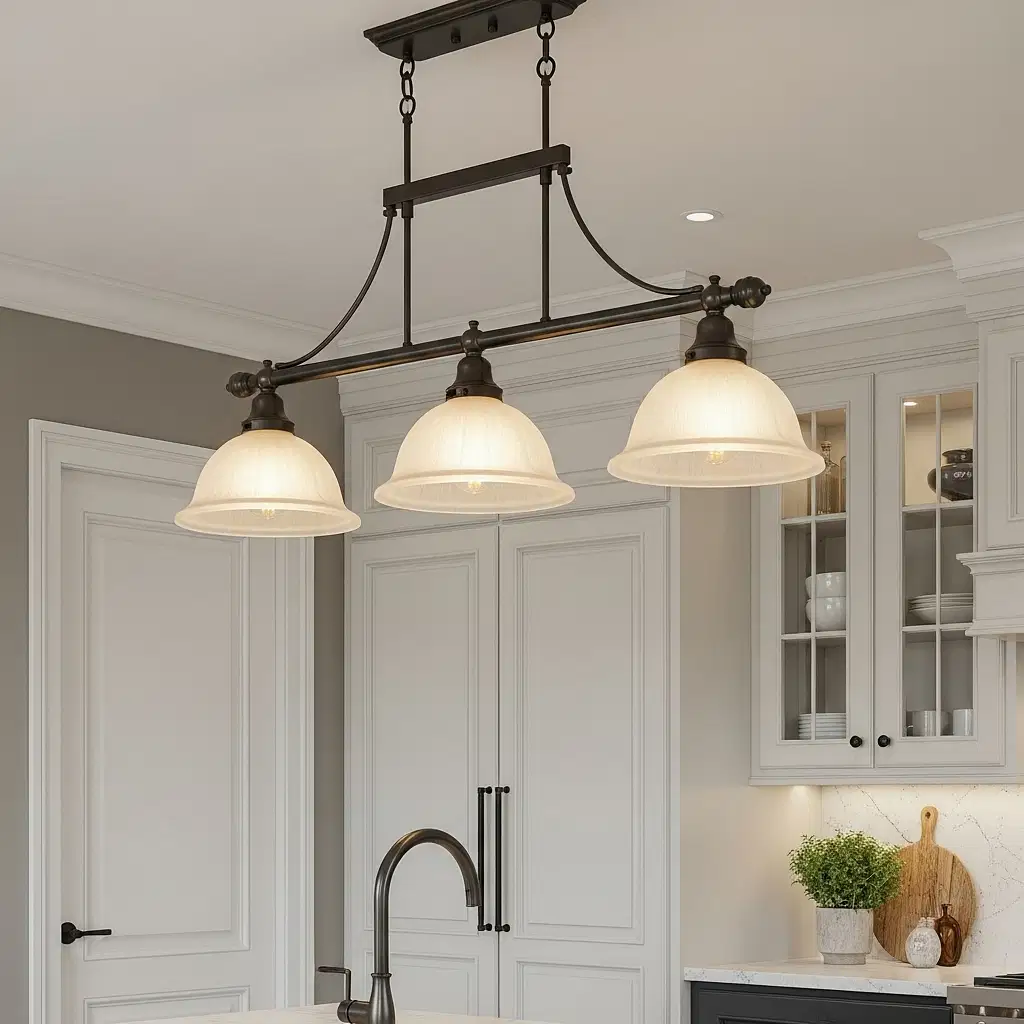
3. Let There Be Light: A Layered Lighting Plan
Great lighting can transform a kitchen from a purely functional room into a warm and inviting space. A successful lighting layout for a home renovation relies on creating layers of light for different purposes.
- Ambient Lighting: This is the overall illumination for the room. Recessed can lights are a popular, clean-looking choice that provides excellent general light without creating shadows.
- Task Lighting: This is focused light for specific work areas. The most important place for task lighting is under the cabinets. It illuminates your countertops, making food prep safer and easier. Pendant lights over an island or a sink are another great way to add targeted, stylish task lighting.
- Accent Lighting: This layer adds depth and visual interest. Consider in-cabinet lighting to showcase beautiful glassware or accent lights to highlight architectural features.
Using energy-efficient LED fixtures and installing dimmer switches for each layer gives you complete control over the mood and functionality of your kitchen, all while helping to manage utility costs—a priority for every homeowner.
Your Partner in Creating the Perfect Kitchen
A successful kitchen remodel is built on a safe, reliable, and well-planned electrical system. From ensuring your breaker box can handle the load to designing a lighting scheme that makes your new space shine, addressing the electrical details early in the process is essential. It prevents costly changes down the road and guarantees your kitchen will function flawlessly for years to come.
If you’re planning a kitchen remodel in the Lawrenceburg area, don’t leave the wiring to chance. The licensed and insured professionals at Kleinholz Electric Inc. are here to help. We bring expertise, a commitment to safety, and a deep understanding of modern electrical needs to every project. Contact us today to discuss your vision and get a quote for our electrical remodel and residential services.